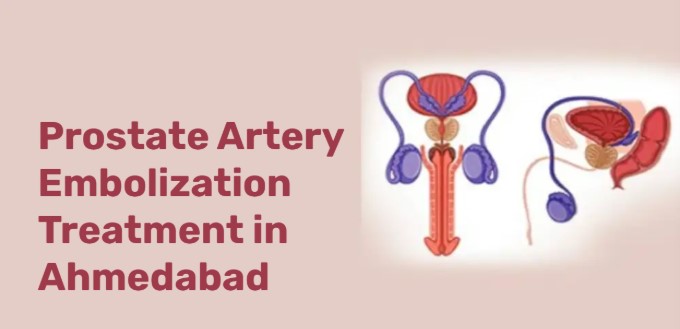
Benign prostatic hyperplasia, the non-cancerous enlargement of the prostate gland, affects the majority of men over fifty to some degree, and for many it progresses to a point where symptoms significantly interfere with quality of life. For decades, surgical treatment, primarily transurethral resection of the prostate, was the standard intervention when medication was insufficient. The development of prostate artery embolization treatment and internationally has changed this landscape, offering a genuinely effective minimally invasive alternative that an increasing number of men are choosing to explore.
What Prostate Artery Embolization Is
Prostate artery embolisation (PAE) is a procedure performed by an interventional radiologist, using X-ray guidance and a catheter introduced through the skin at the wrist or groin. Small microspheres are delivered through the catheter into the arteries supplying the prostate, reducing blood flow to the enlarged tissue and causing it to shrink gradually over the following weeks and months.
The procedure is typically performed under sedation rather than general anaesthesia, takes two to four hours, and is usually followed by one overnight stay in hospital before discharge home.
Why Men Are Choosing PAE Over Traditional Surgery
Avoiding General Anaesthesia
Many men considering prostate treatment, particularly older patients with other health conditions, have concerns about the risks associated with general anaesthesia. PAE is performed under sedation, making it accessible to patients who would otherwise face elevated surgical risk.
Preservation of Sexual Function
One of the most significant concerns men have about traditional prostate surgery is its potential impact on sexual function, specifically ejaculatory dysfunction, which occurs in the majority of patients undergoing TURP. PAE is associated with significantly lower rates of ejaculatory dysfunction, a difference that matters considerably to many patients and their partners.
Faster Recovery
The recovery from PAE is considerably faster than from TURP or other surgical approaches:
| Recovery Parameter | TURP | PAE |
| Hospital stay | 2–3 days | 1 day |
| Catheter duration | 3–5 days | 1–3 days |
| Return to work | 2–4 weeks | 3–7 days typically |
| Driving | After 2–4 weeks | After 3–7 days |


Effective Symptom Relief
The evidence for PAE in terms of symptom relief is well established. Studies consistently demonstrate significant improvements in International Prostate Symptom Score (IPSS), quality of life scores, and urinary flow rates following the procedure, with a low rate of serious complications.
Breast lump treatment in ahmedabad and PAE, The Shared Platform
Both breast lump treatment in Ahmedabad involving image-guided procedures and PAE are delivered through the same interventional radiology platform, advanced imaging, catheter-based techniques, and the specialist skills of an interventional radiologist. This shared infrastructure explains why centres with strong interventional radiology departments are typically the same centres offering the full range of minimally invasive treatment options across multiple specialties.
Who Is a Suitable Candidate for PAE
PAE is not appropriate for every man with BPH, and a thorough assessment is required to determine suitability:
- Symptom severity: PAE is typically considered for moderate to severe symptoms not adequately controlled by medication
- Prostate size: PAE is effective across a wide range of prostate sizes, including very large prostates where TURP has technical limitations
- Anatomy: the arterial anatomy supplying the prostate must be suitable for catheter access, assessed on pre-procedure MRI and angiography
- Contraindications: severe atherosclerosis, allergy to contrast media, or significant renal impairment may limit suitability
What to Expect in the Days After PAE
The recovery after PAE has a characteristic pattern:
- Mild to moderate pelvic discomfort for two to seven days, usually well controlled with oral analgesics
- Low-grade fever in the first 24–48 hours as part of the post-embolisation response
- Urinary symptoms may temporarily worsen before improving, this is expected and not a sign of treatment failure
- Gradual improvement in urinary symptoms over the following four to twelve weeks as the prostate shrinks
Is PAE Available in Ahmedabad?
Yes, prostate artery embolization treatment in Ahmedabad is available at specialist interventional radiology centres with the appropriate expertise, equipment, and anaesthetic support. The growing availability of this procedure in Ahmedabad means that men in Gujarat no longer need to travel to larger metropolitan centres to access this treatment option.
Conclusion
The growing interest in prostate artery embolization treatment reflects a genuine shift in how men with BPH are thinking about their treatment options, with increasing awareness of the alternatives to conventional surgery and a clearer understanding of what minimally invasive treatment can offer in terms of effectiveness, safety, and recovery. Dev Hospital’s interventional radiology team offers PAE as part of a comprehensive range of prostate treatment options in Ahmedabad, helping every patient find the approach that best suits their specific condition and personal priorities.